GALFER · AUTHORIZED DEALER · BARCELONA, SPAIN
GALFER WAVE ROTORS & BRAKE PADS FOR TRIUMPH MODERN CLASSICS
Triumph builds one brake for every rider, every road, every season. Your riding is more specific than that. Laser cut, never stamped, and made in the same factory that supplies world championship paddocks.
WHAT THE SHAPE ACTUALLY CHANGES
THREE THINGS A ROUND DISC CAN'T DO
A round rotor sheds heat off one continuous edge, clears water off one continuous edge, and carries its metal all the way out to the rim. Galfer changed all three. Here is what that does at the lever.
HEAT IS THE ENEMY. THE WAVE IS THE ANSWER.
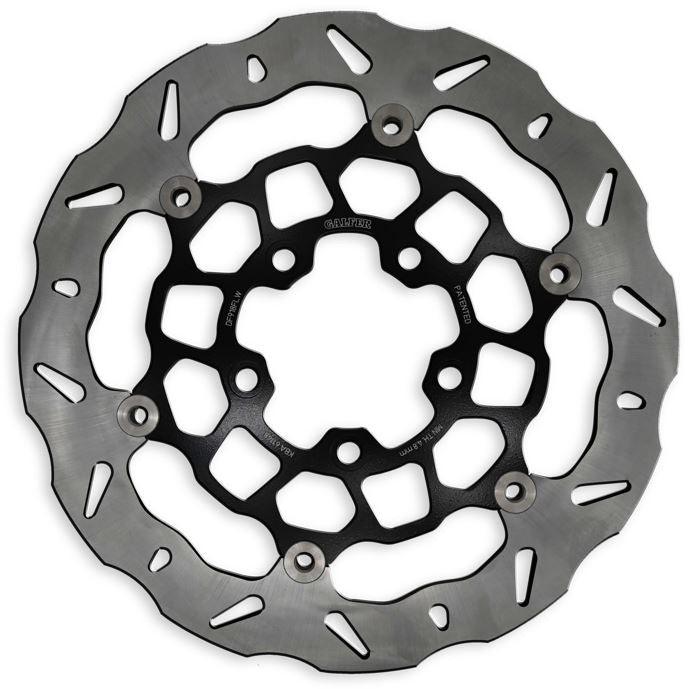
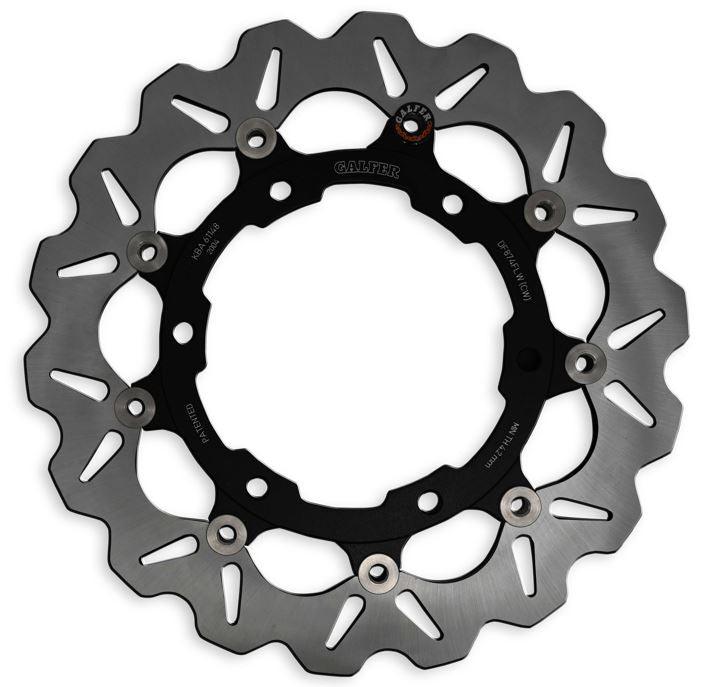
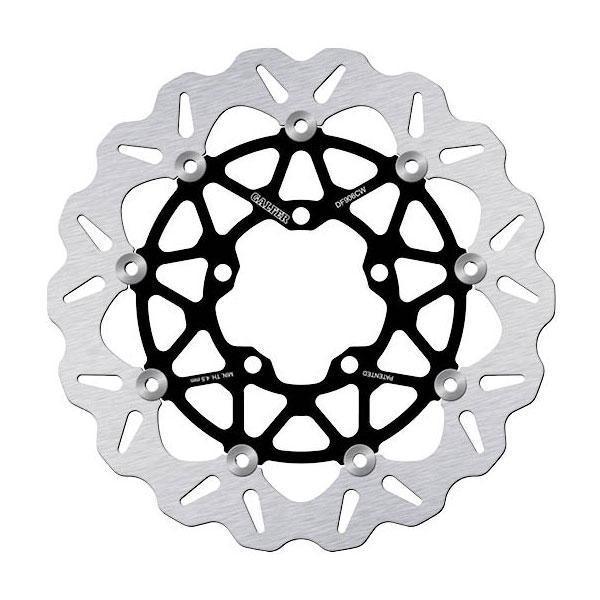
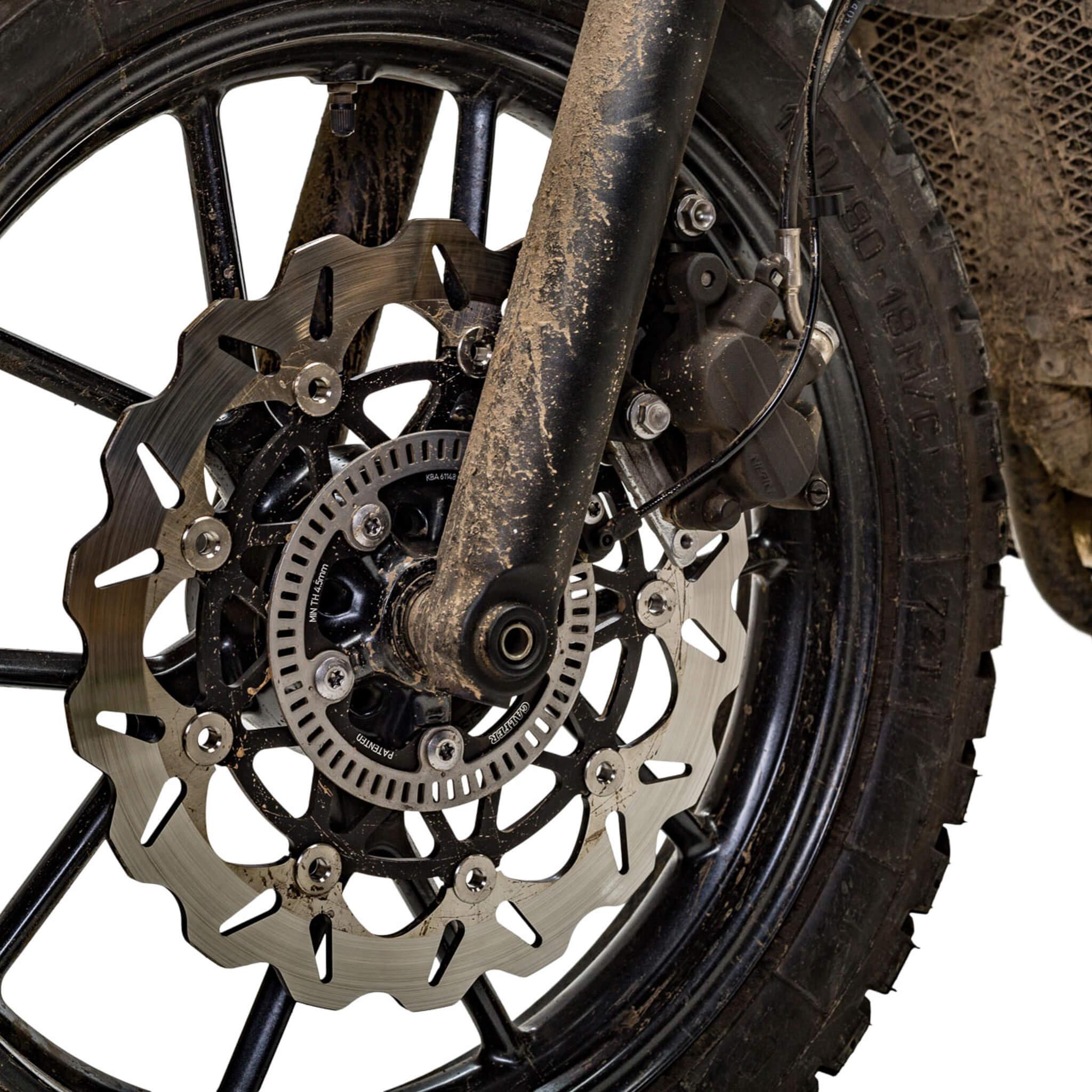
Brakes do not slow a bike down, they convert its momentum into heat, and then they have to get rid of it. A round disc sheds that heat off one continuous edge. The Wave® profile puts an edge and an air gap at every point of the pad's path, so temperature leaves the system as fast as it arrives.
- Air passes over every point of the pad surface, not just the outer edge
- More leading edges biting the pad means a sharper initial bite
- The lever feels the same on the fifth hard stop as it did on the first
IT LEAVES TRUE, AND IT STAYS TRUE
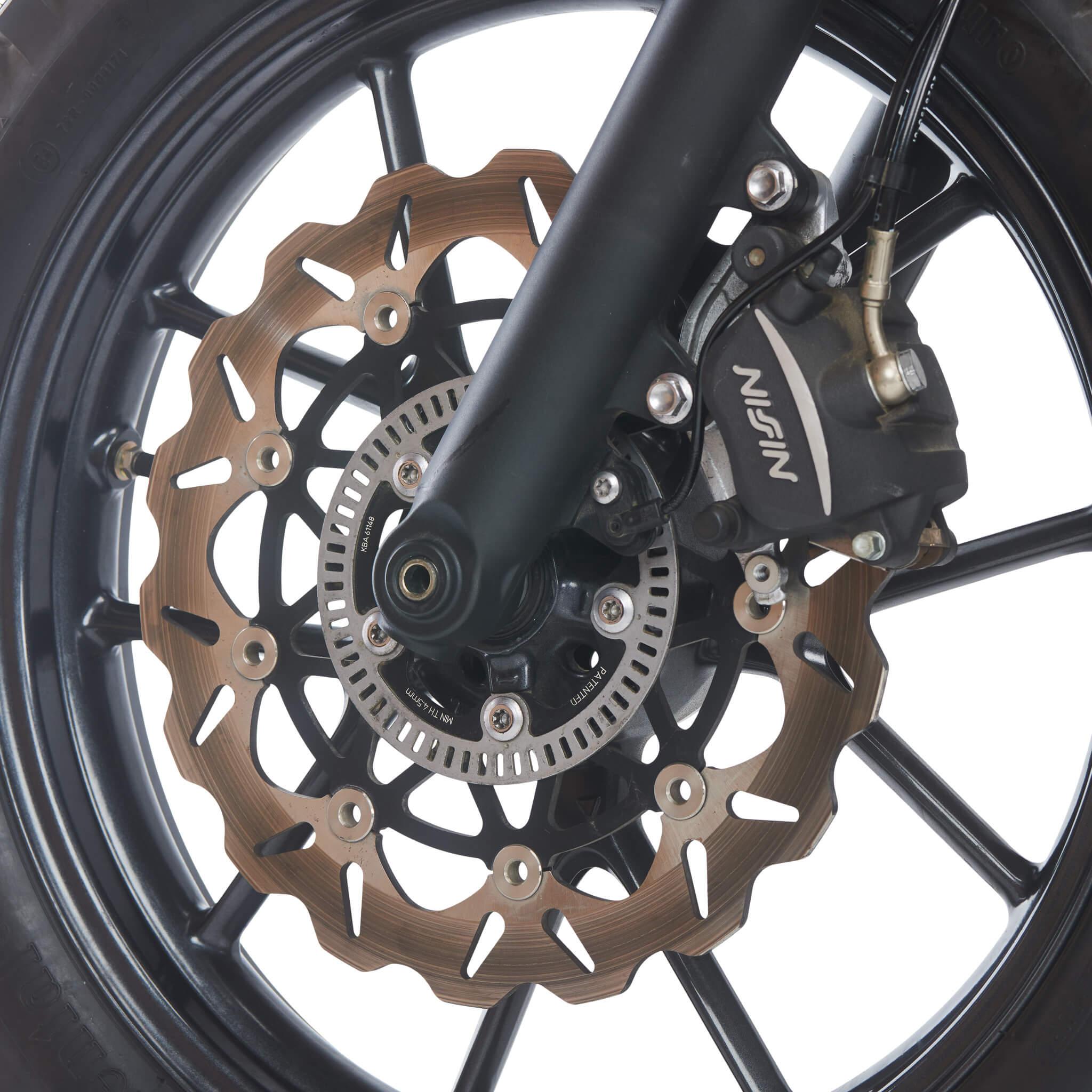
Most modern Triumph front discs already float, and Galfer's do too. That part is not what you are buying. This is: the wave is patented on the inner edge as well as the outer, so heat leaves both sides of the friction ring at the same rate and the pad wears evenly across its face instead of tapering. Both faces are ground flat before it ships, so there is no pulse at the lever from the first stop.
- Patented inner and outer wave, so heat leaves both edges at the same rate
- Double disc-parallel ground on both faces, true from new
- Laser cut, never stamped, and heat treated to your specific application
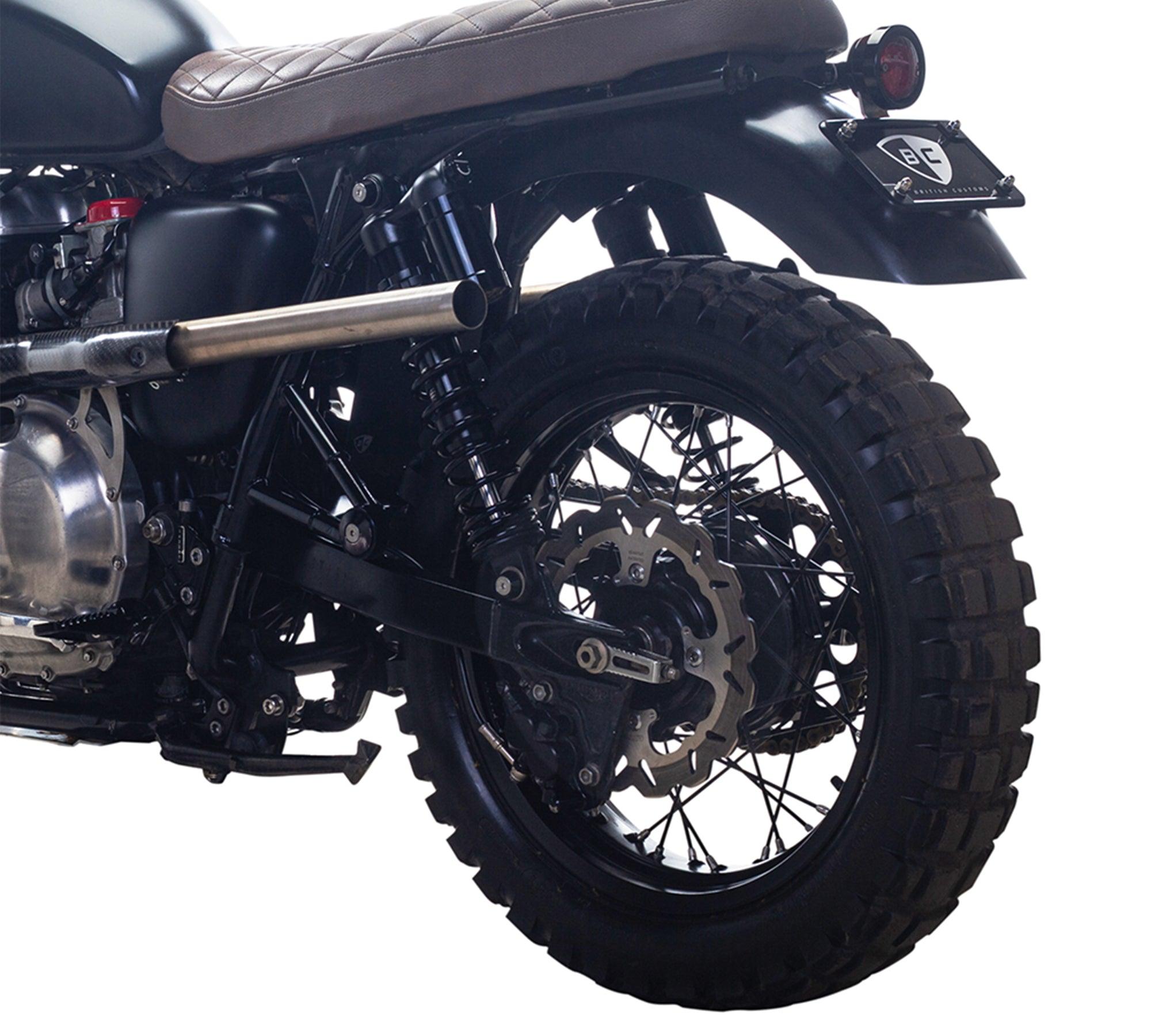
IT CLEANS ITSELF. THAT IS WHY IT EXISTS.
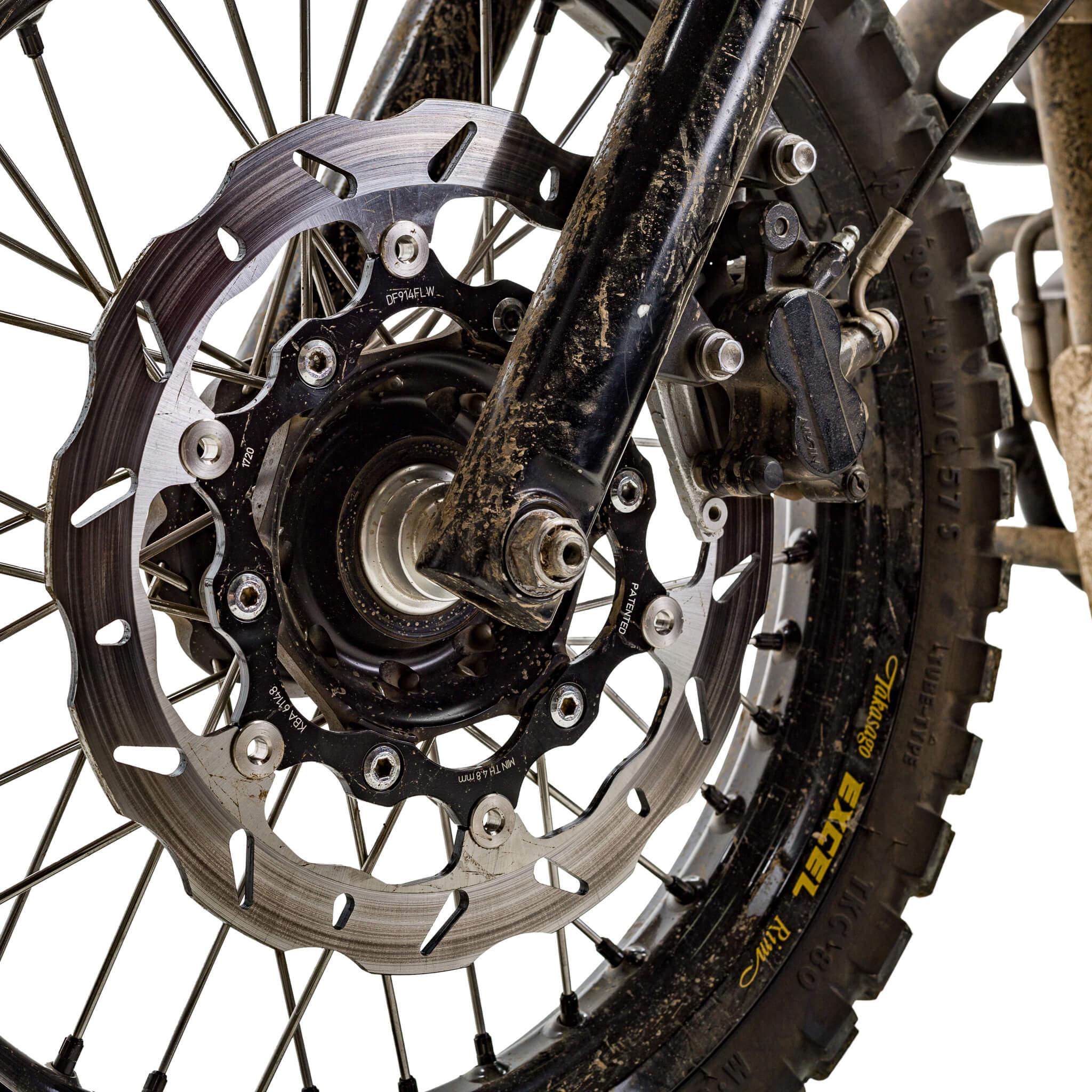
Galfer cut the first wave rotor in 1991 for trials competition, and the problem was not heat. It was mud. A round edge lets water and grit sit on the friction surface, so the first squeeze after a wet section arrives a beat late. A moving edge does not let anything settle. The point where the pad meets the disc never stops shifting, so the surface is wiped clear every revolution. Heat was the part nobody planned for.
- The pad's contact point never stops moving, so water and grit are thrown clear
- The first squeeze after a wet crossing arrives when you ask for it
- KBA and TUV approved · precision made in Galfer's own factory in Spain
HEAT IS THE ENEMY. THE WAVE IS THE ANSWER.
Brakes do not slow a bike down, they convert its momentum into heat, and then they have to get rid of it. A round disc sheds that heat off one continuous edge. The Wave® profile puts an edge and an air gap at every point of the pad's path, so temperature leaves the system as fast as it arrives.
- Air passes over every point of the pad surface, not just the outer edge
- More leading edges biting the pad means a sharper initial bite
- The lever feels the same on the fifth hard stop as it did on the first
IT LEAVES TRUE, AND IT STAYS TRUE
Most modern Triumph front discs already float, and Galfer's do too. That part is not what you are buying. This is: the wave is patented on the inner edge as well as the outer, so heat leaves both sides of the friction ring at the same rate and the pad wears evenly across its face instead of tapering. Both faces are ground flat before it ships, so there is no pulse at the lever from the first stop.
- Patented inner and outer wave, so heat leaves both edges at the same rate
- Double disc-parallel ground on both faces, true from new
- Laser cut, never stamped, and heat treated to your specific application
IT CLEANS ITSELF. THAT IS WHY IT EXISTS.
Galfer cut the first wave rotor in 1991 for trials competition, and the problem was not heat. It was mud. A round edge lets water and grit sit on the friction surface, so the first squeeze after a wet section arrives a beat late. A moving edge does not let anything settle. The point where the pad meets the disc never stops shifting, so the surface is wiped clear every revolution. Heat was the part nobody planned for.
- The pad's contact point never stops moving, so water and grit are thrown clear
- The first squeeze after a wet crossing arrives when you ask for it
- KBA and TUV approved · precision made in Galfer's own factory in Spain
1991
THE FIRST WAVE ROTOR, FOR TRIALS
KBA · TUV
APPROVED, MADE IN SPAIN
HH
HIGHEST FRICTION PAD RATING
45MIN
BOLT-ON INSTALL, HAND TOOLS
THE HONEST VERSION
WHAT A WAVE ROTOR DOES, AND WHAT IT DOES NOT
Two things are true here, and most brake pages only tell you one of them.
The first is that on a modern classic, how the bike looks is part of why you own it. A wave rotor sits on the outside of the wheel where everyone sees it, and it reads as chosen rather than fitted. That is a real reason to buy one and we are not going to pretend otherwise.
The second is that a rotor on its own will not remake your front brake. Swap the disc, put your worn pads back on, and you will feel less than you paid for. The pad decides how the lever feels on the first squeeze. The rotor decides whether the fifth stop feels like the first one, whether the lever goes long at the bottom of a descent, and what happens the first time you grab it after a wet section.
Run them together and you get both. That is the whole recommendation. The four pad compounds and what each one is for are further down this page, so you can pick yours in the same visit.
THE GALFER LINEUP
BUILD YOUR BRAKE, FRONT TO BACK
Front rotor, rear rotor, and four pad compounds. Pick the parts, and the year and model selector at the top of the page narrows everything to what fits your bike.


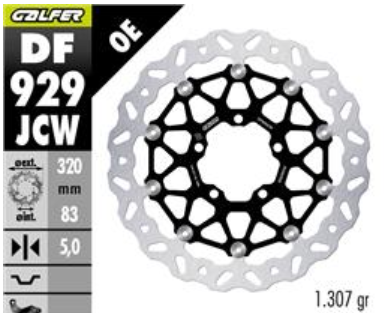
FRONT FLOATING WAVE® ROTOR
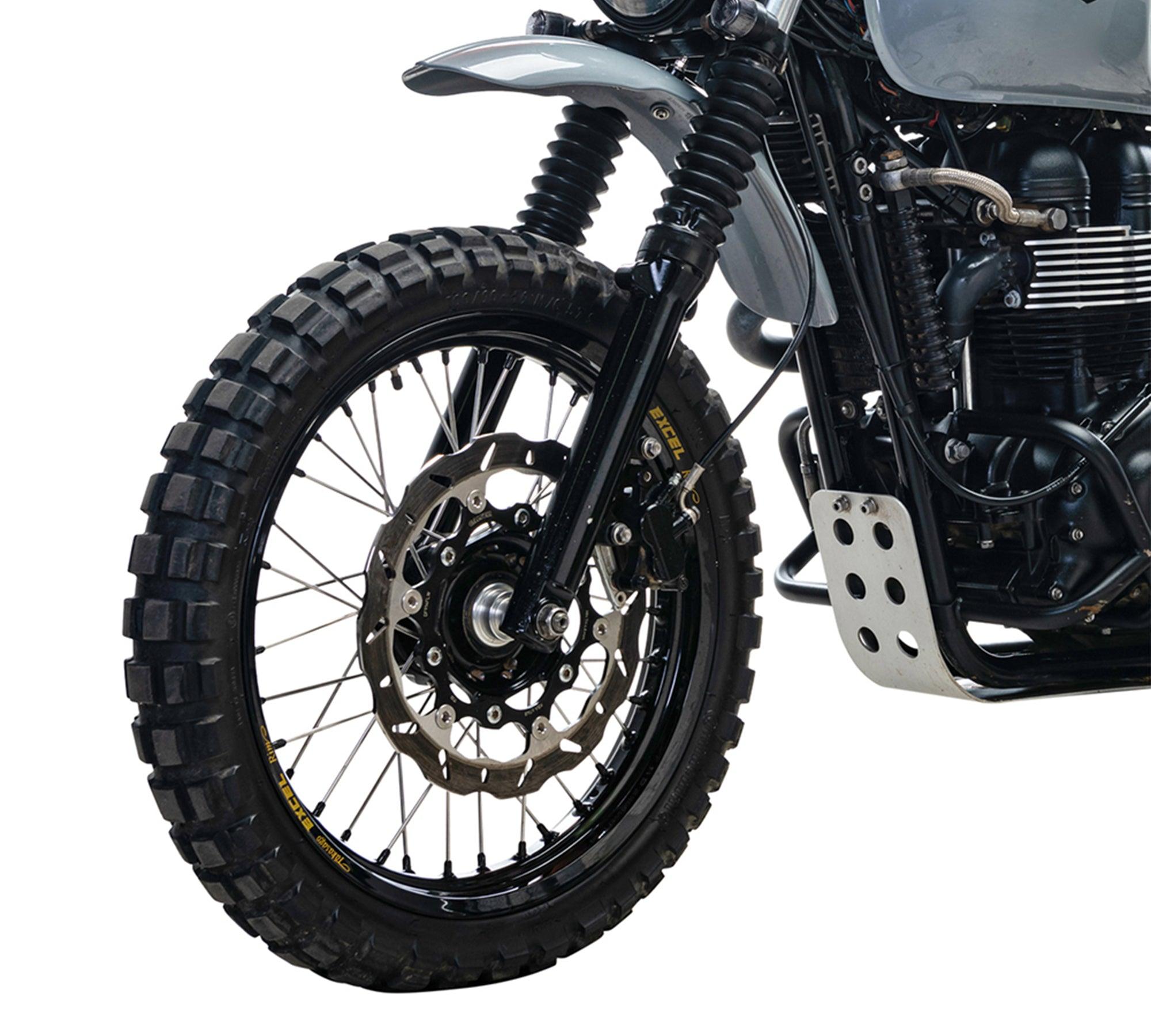
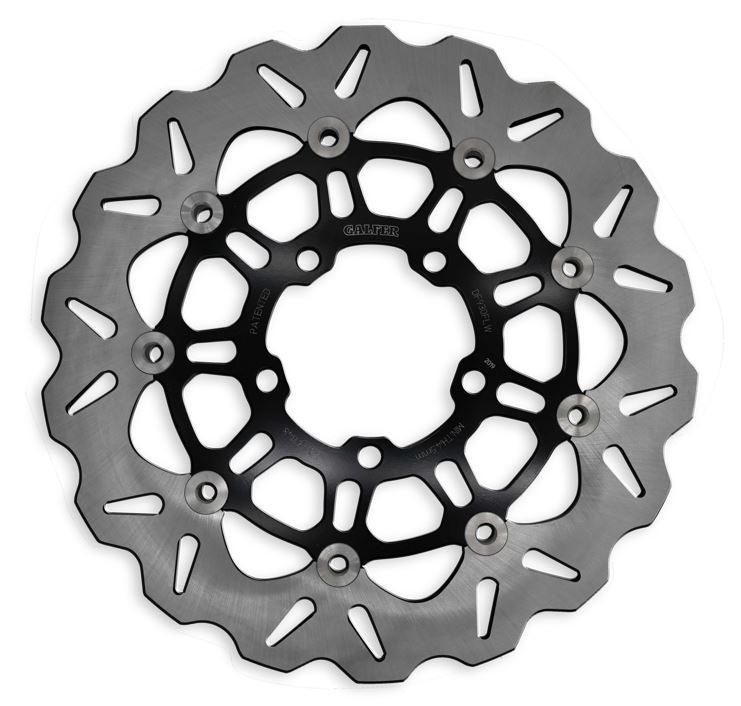
Most of your stopping power lives at the front wheel, which is why the front rotor is the upgrade you feel first. The wave profile puts an edge and an air gap at every point the pad travels, so the disc sheds heat as fast as hard braking creates it instead of storing it and going vague. The result at the lever is a firmer bite and a much finer sense of exactly how much brake you are using, the difference between grabbing and placing.
- Wave profile sheds heat and clears water and grit off the friction surface
- Full floating construction, ground flat on both faces, true from the first stop
- Direct stock replacement. No bracket, no caliper change
- Sold individually. Bikes with two front discs need two
- KBA and TUV approved, made in Spain
Rotors are sold individually. Bikes with two front discs need two.


REAR WAVE® ROTOR
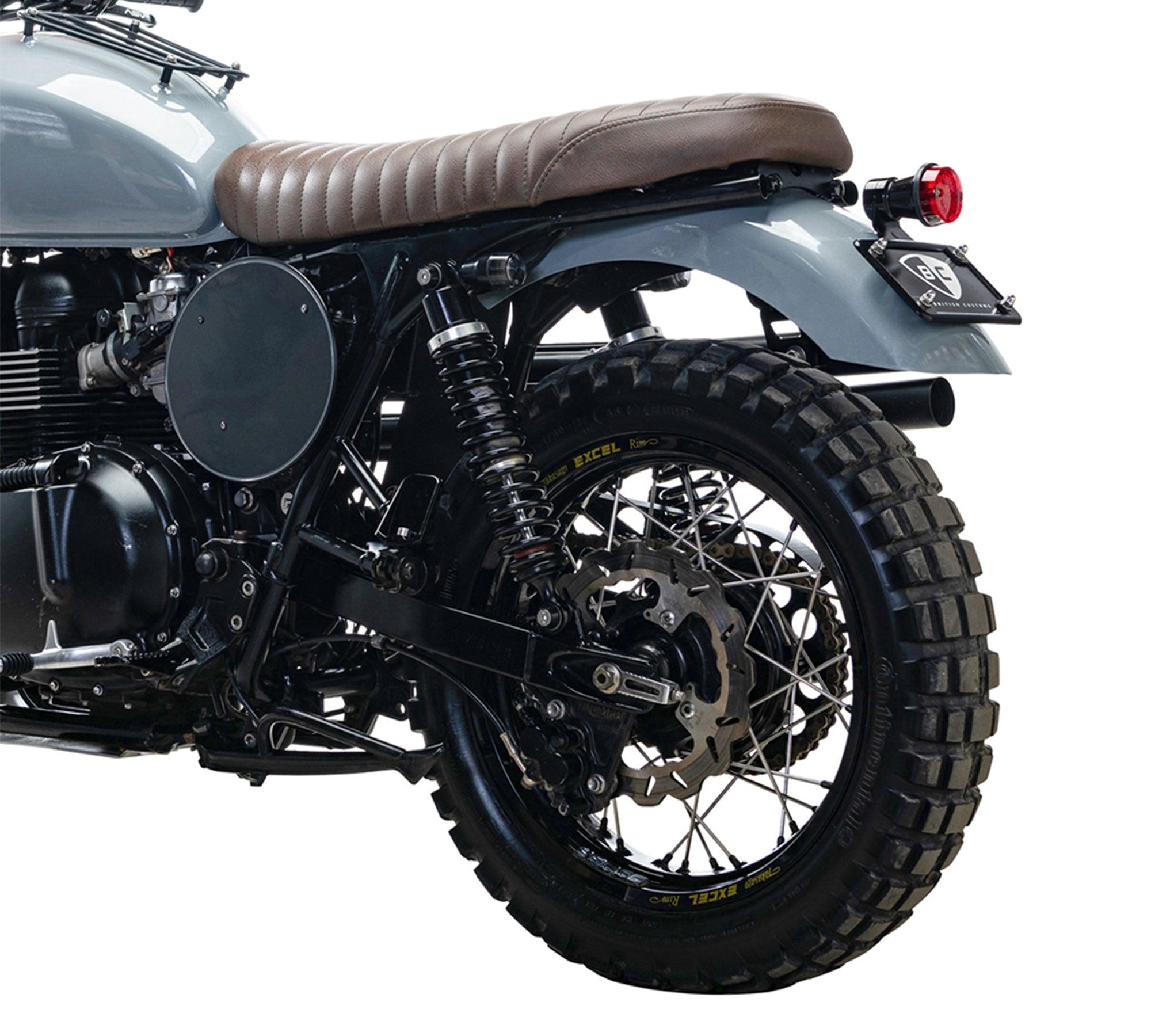
The rear brake is not for stopping, it is for control. Trail braking into a decreasing radius, settling a loaded bike on a downhill, holding the chassis steady on a loose surface. All of it depends on a pedal that does the same thing every time you press it. Stock rear discs run small and they get hot fast. Galfer's rear Wave® rotor is heat treated for the job the rear brake actually does, so the pedal stays where you left it on hour ten the same as hour one.
- Wave profile keeps the friction surface clear and running cooler under sustained drag braking
- Heat treated to its specific application. 255mm Triumph modern classics, 245mm Ducati Scrambler, 220mm Triumph 1200 twins
- Direct replacement for the stock rotor
- KBA and TUV approved, made in Spain
The rear takes one rotor. Pick your year and model to see the size that fits it.
PADS · PICK YOUR COMPOUND
THE PAD IS HALF THE BRAKE
The rotor decides how much heat the system can shed. The pad decides how much grip you get for a given squeeze, and how that grip behaves when it is cold, wet, or glowing. Galfer builds four compounds for the modern classics. Pick by how you actually ride, not by what is on the shelf.
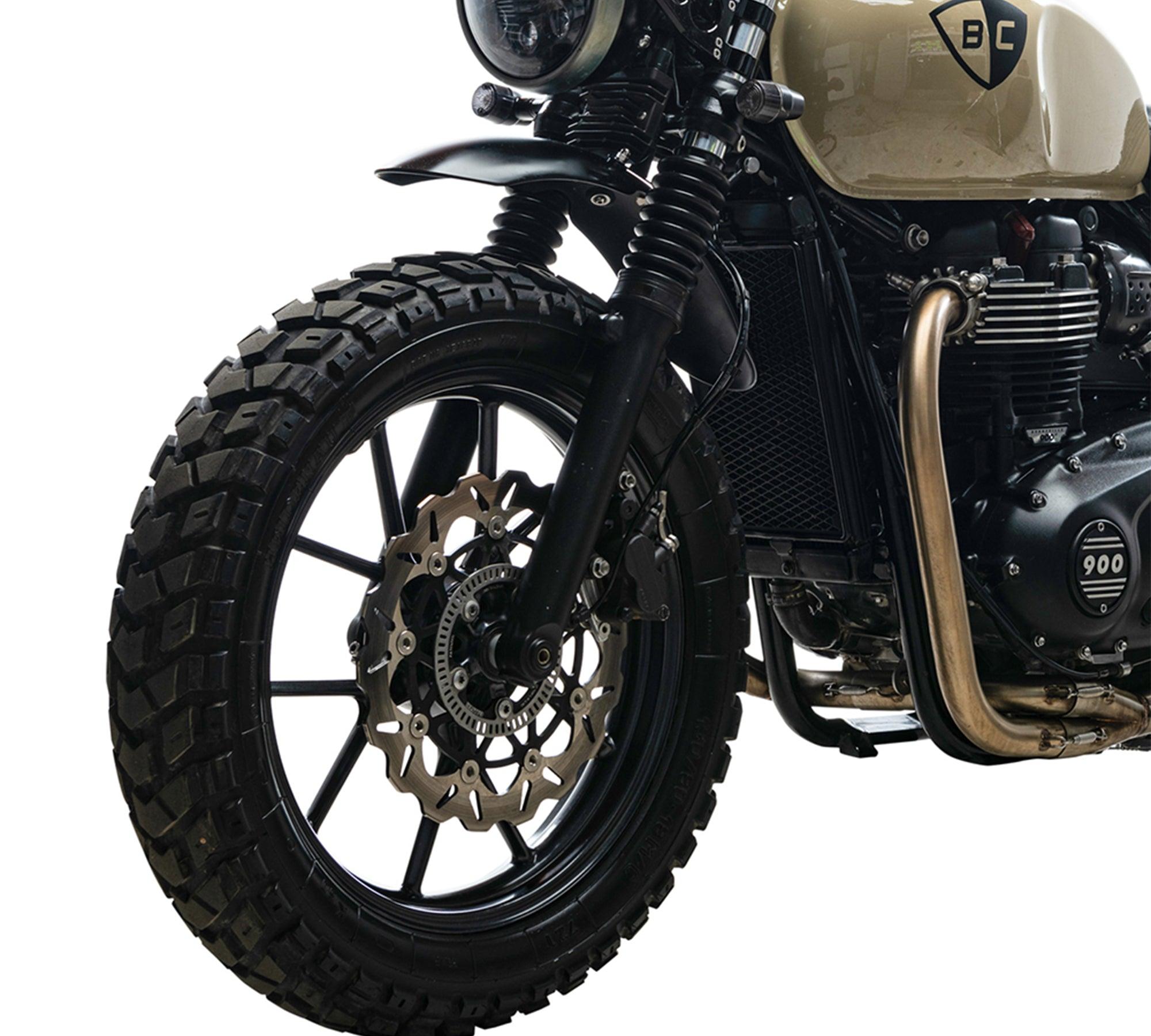
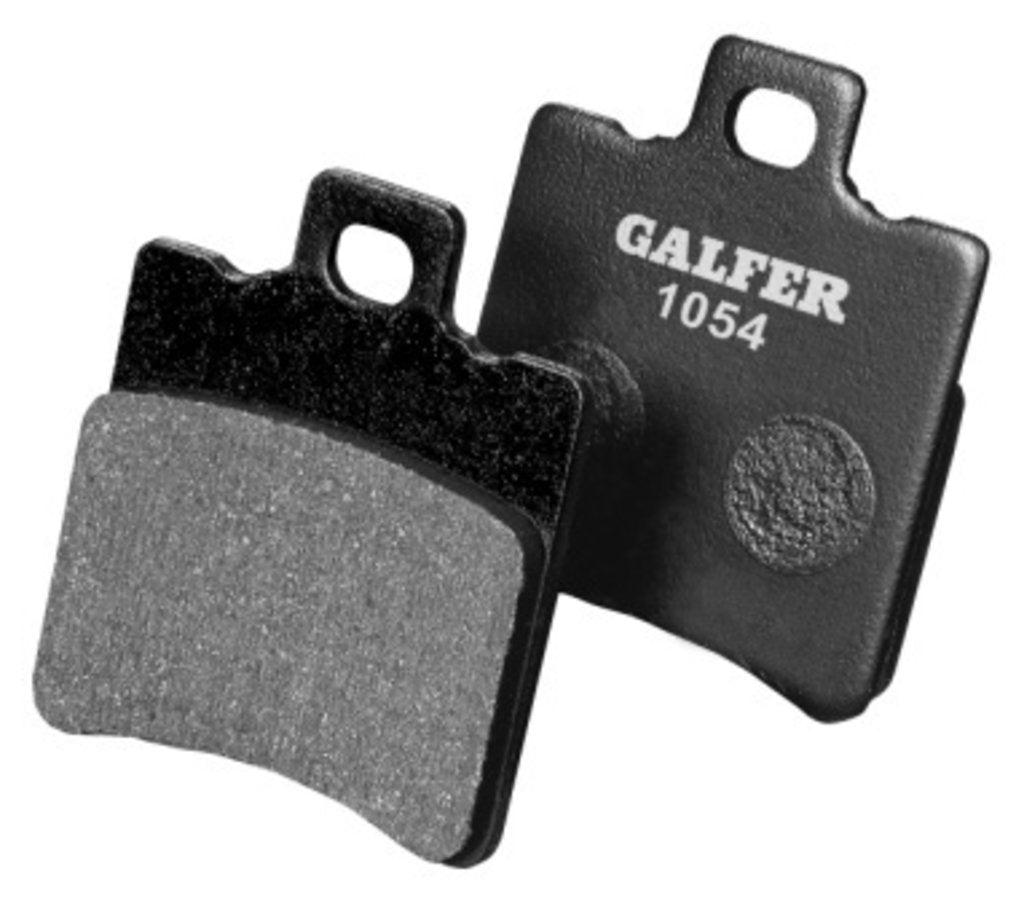
1054 - SEMI-METALLIC CARBON
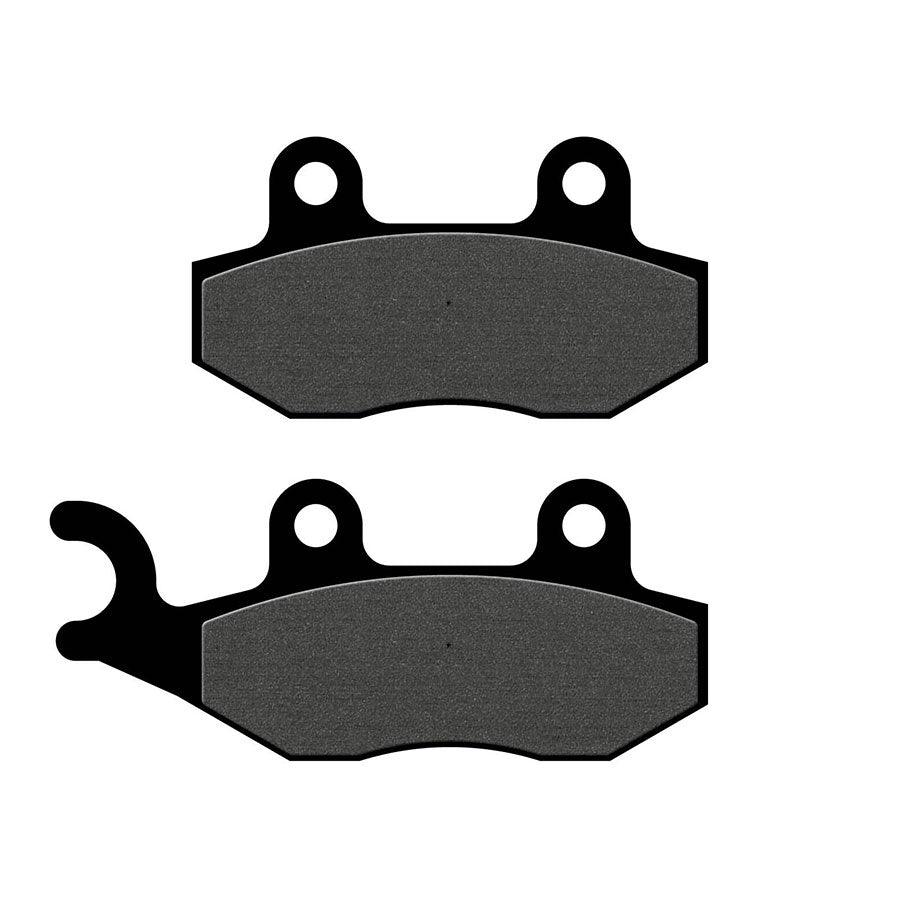
The everyday replacement, done properly. Progressive feel and feedback at the lever, easy on the rotor, and it behaves the same wet or dry. If your riding is commuting, weekend loops and the occasional two-up run, this is the compound to run.
Best for: daily street · all weather
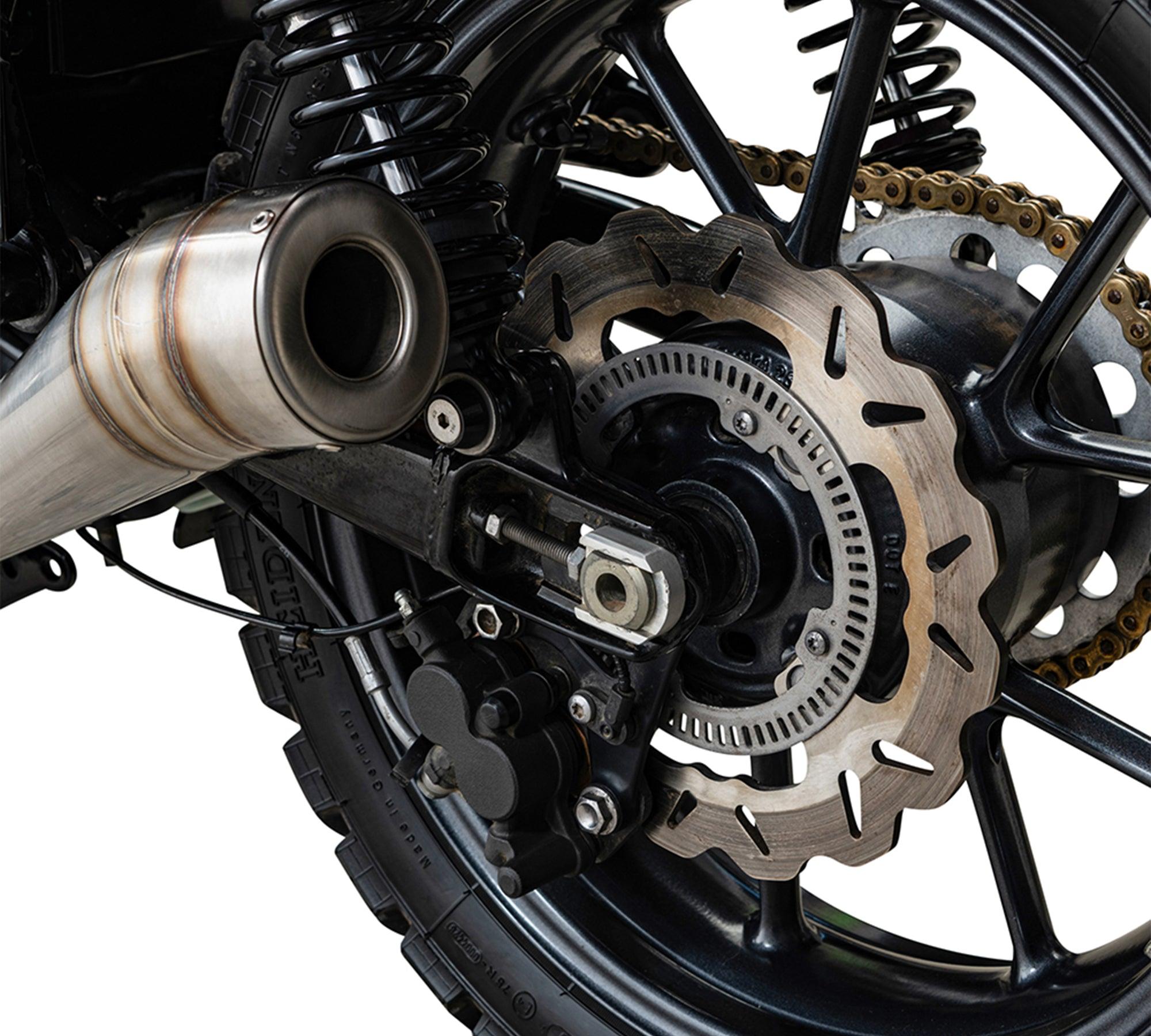
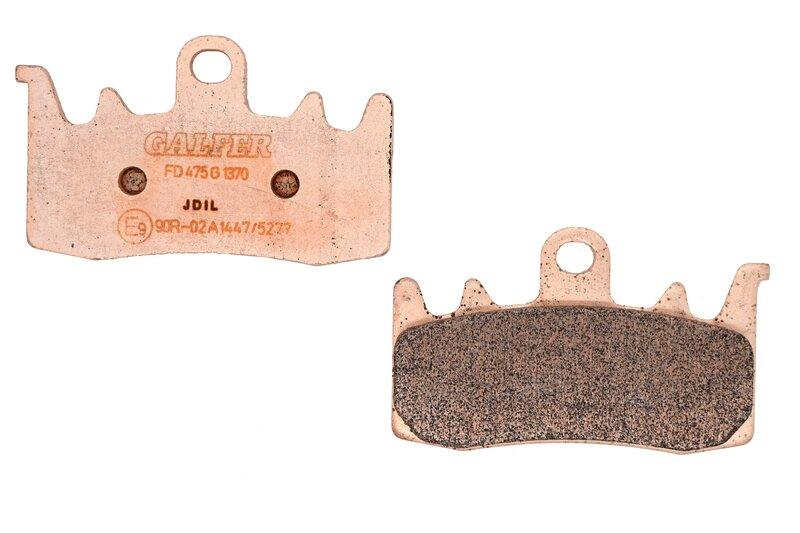
1370 - HH SINTERED
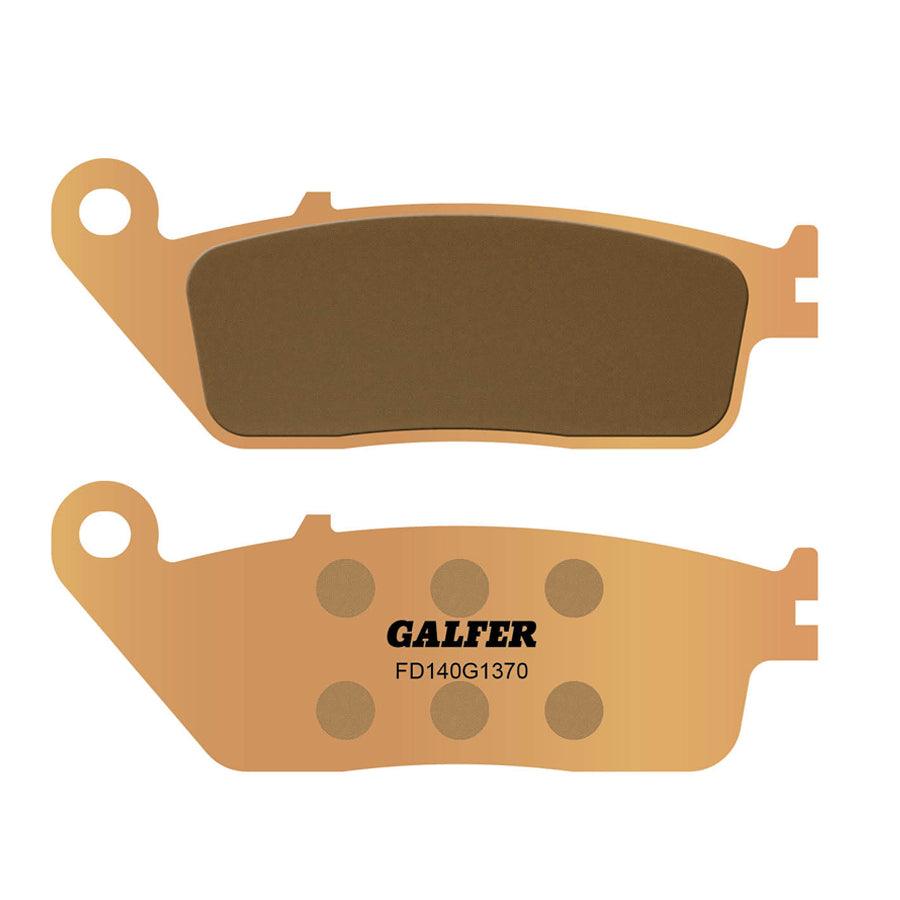
HH is the highest friction class the rating system awards, and this is the compound for riders who want the brake to feel immediate. Sintered metal sheds heat and recovers bite quickly, so wet weather grip arrives without the first-squeeze delay you get from an organic pad. Pair it with a Wave rotor and one finger does the work of two.
Best for: hard street riding · track days · wet
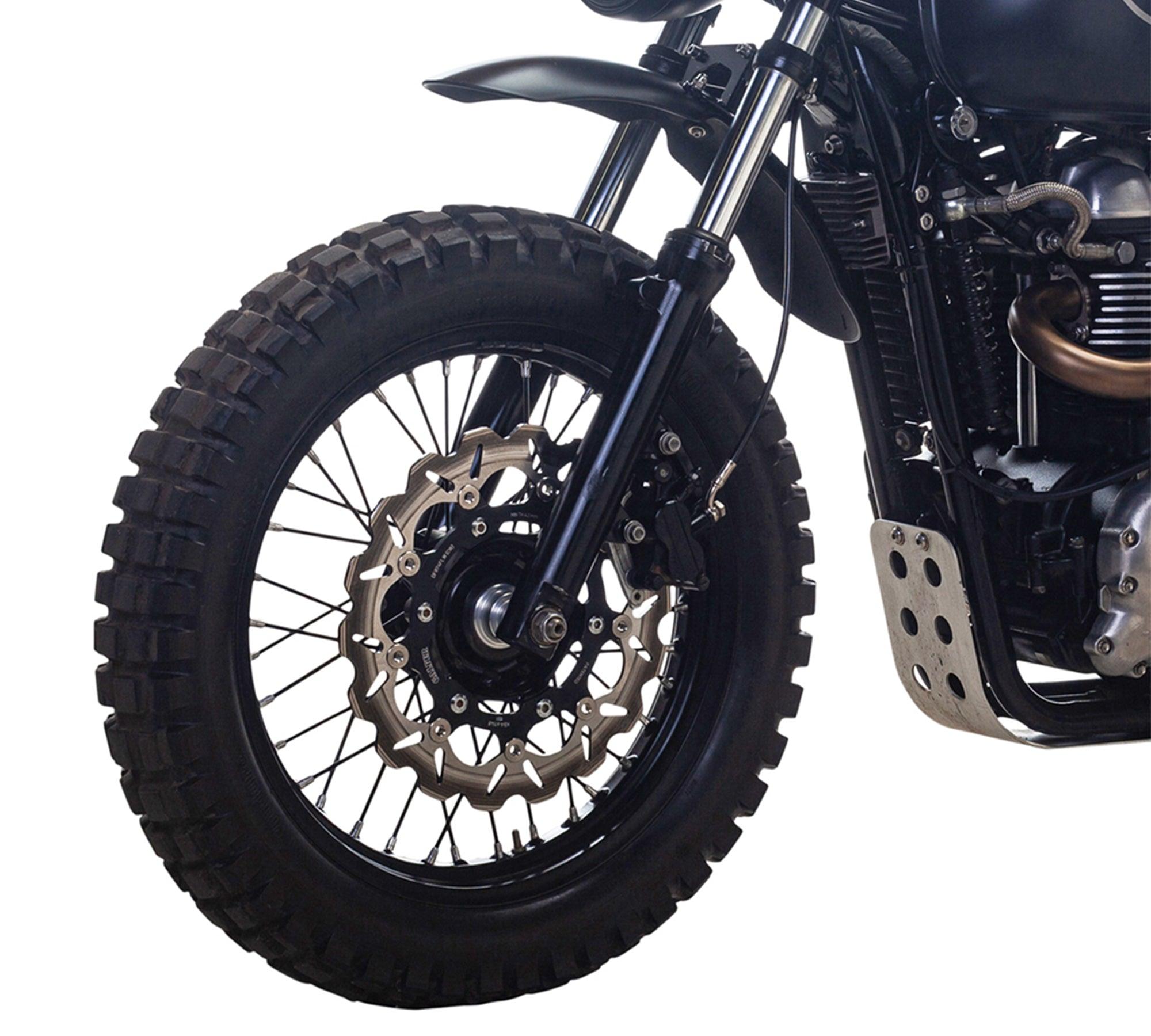
1375 - HH SINTERED CERAMIC
Ceramic composites take more heat than a semi-metallic carbon pad before they start to give up, which is exactly what a heavy modern classic asks for on a long descent. Less noise, and a lever that does not go long when the road turns into a series of hard stops.
Best for: spirited street · touring loads
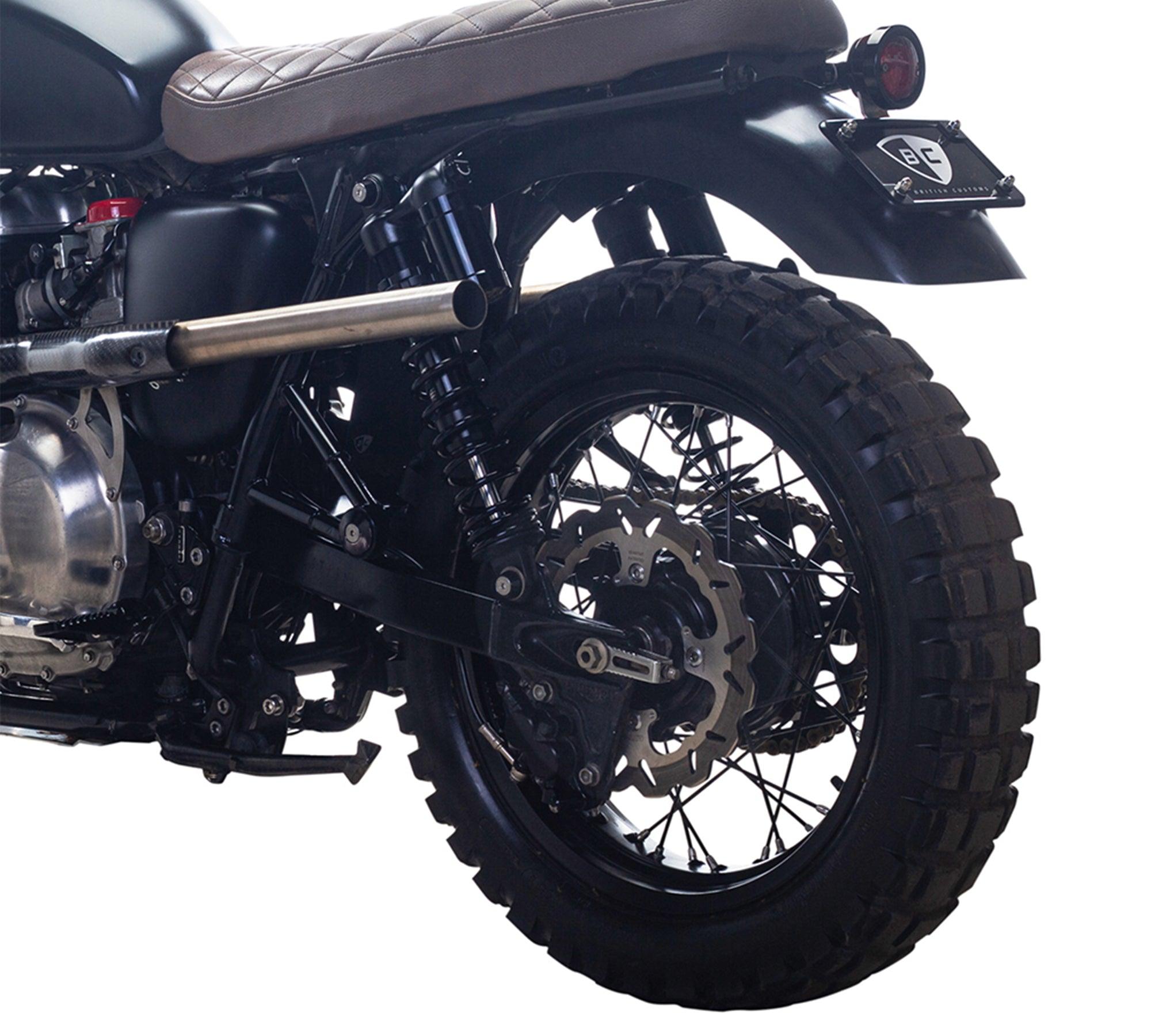
1396 - HH SINTERED CERAMIC, OFF ROAD
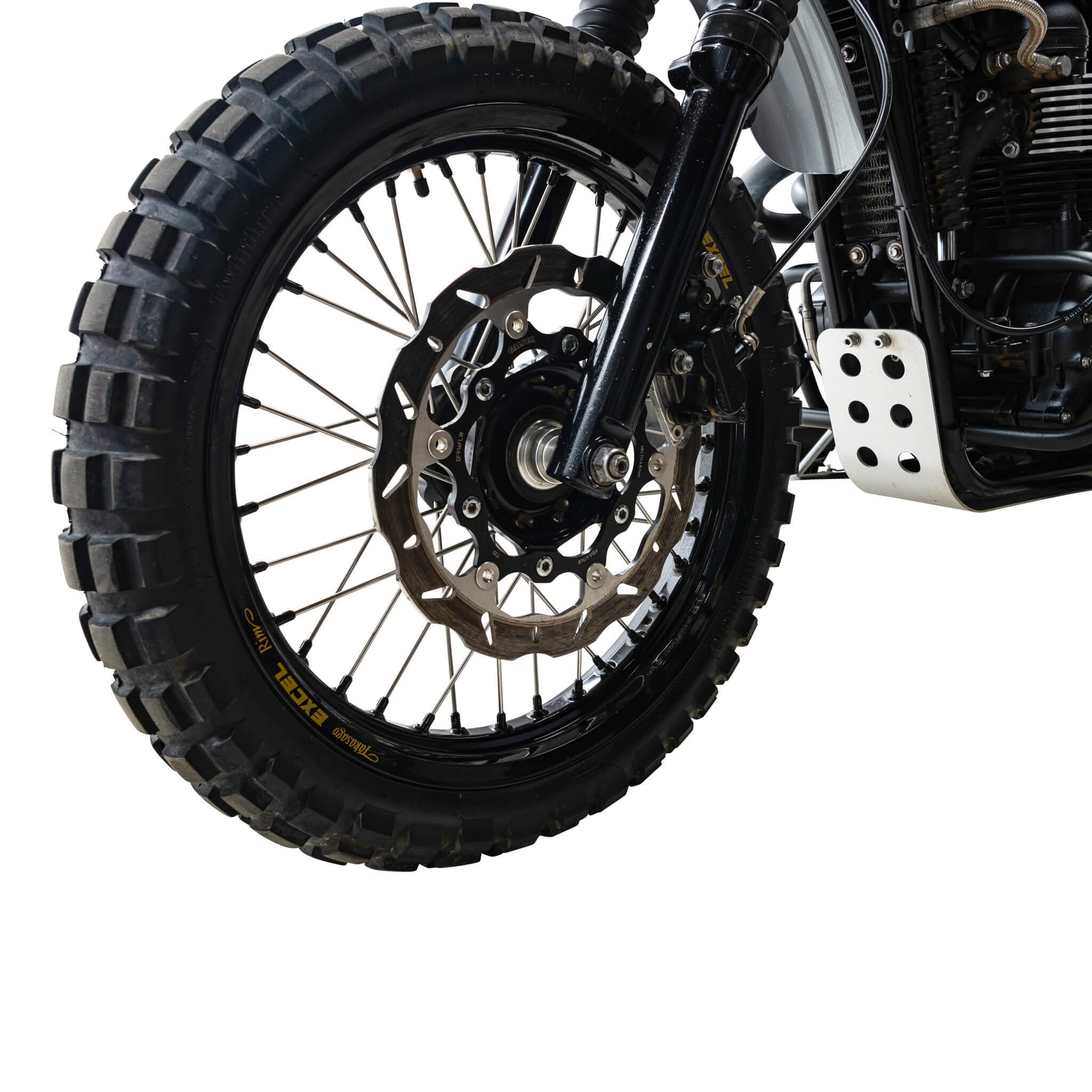
Built for Scramblers and anything that sees dirt, sand and water crossings. The compound keeps working when the rotor is coated in grit that would tear a street pad apart, and it recovers bite immediately after a river crossing instead of leaving you with a lever full of nothing. Rear brake control on a loose descent is what this pad is for.
Best for: Scrambler · dirt, sand, water
“Went with Galfer's front and rear with Galfer brake pads. The transition continues.”
READ THIS FIRST
BEFORE YOU BUY
Five minutes here saves a second wheel-out later. Rotors are sold individually, pads are matched to your caliper rather than your model, and the warranty has one condition worth knowing about.
TALK TO A RIDERHOW MANY DO I NEED?
Rotors are sold individually. Single front disc bikes need one, dual front disc bikes need two, and the rear is always a single unit.
WHAT'S IN THE BOX
(1) Galfer Wave® rotor, front or rear, and (1) installation instruction sheet. Pads are ordered separately and matched to your caliper.
INSTALL & TORQUE
Moderate · about 45 minutes · basic hand tools plus a torque wrench. Rotor bolts are safety-critical and go to spec, not to feel. Bed the pads in with a series of moderate stops before you ride hard.
WARRANTY
Galfer's 6-month rotor warranty holds only while Galfer pads are running on the rotor, and the clock starts on the purchase date, not the install date.
Questions riders actually ask
Galfer Wave Rotor FAQ
Is a wave rotor worth it over a stock rotor?
Yes, if you ride the bike hard, ride it loaded, or ride it in the mountains. The wave profile is the real difference. It puts an edge and an air gap at every point the pad travels, so heat leaves the system as fast as braking creates it, and the disc keeps wiping itself clear of water and grit instead of holding onto it. What you feel is a firmer initial bite, finer control over how much brake you are using, and a lever that does not go long at the bottom of a long descent.
One thing worth knowing. Most modern Triumph front discs already float from the factory, and Galfer's do too, so that is not the part you are upgrading. The wave is.
Will a Galfer rotor bolt onto my stock wheel?
Yes. Galfer rotors seamlessly replace the stock rotor using the factory mounting holes. No bracket, no caliper change, no modification. Budget about 45 minutes with basic hand tools and a torque wrench. Full instructions are in the box, and technical help is a phone call away.
Do wave rotors warp like stock rotors do?
A warped rotor is a solid rotor that got hot in the middle and cold at the edge, so the answer starts with heat. The wave sheds it faster than a round edge can, which is the part that keeps the disc from getting there in the first place. The floating construction helps too, decoupling the friction ring from the carrier on pins so the ring expands without fighting it, and both faces are ground parallel before it ships so there is no pulse from new. If your Triumph already runs a floating front disc, and most modern ones do, the wave is what is being added.
Will a floating rotor rattle at low speed?
A little, and it is normal. A full floating rotor is built in two parts, a friction ring carried on pins so it can move a fraction as it heats. That movement is the whole point, and it means you can hear a light chatter at walking pace or over rough surfaces. It goes away as soon as you are moving and it is not a fault. What is not normal is a loud knock or visible play at the pins, and that is worth a call.
Do I need to replace my brake pads at the same time?
You should. A new rotor bedding into worn pads gives up most of the bite you paid for and wears both parts prematurely. There is also a warranty reason: Galfer's 6-month rotor warranty holds only while Galfer pads are running on the rotor. One thing to check before ordering. Brake pads are matched to your caliper, not just your model, so confirm fitment for your exact year and variant rather than assuming the pad follows the rotor.
Should I just do the pads instead?
Honestly, if you are only doing one thing, pads are the better value and the bigger single change in how the lever feels. A sintered or ceramic pad on a tired stock disc will still wake the brake up. What we would not do is the reverse. A new rotor bedding into worn pads gives away most of the bite you just paid for and wears both parts early, and Galfer's 6-month rotor warranty only holds while Galfer pads are running on the rotor. So if it is one now and one later, pads first and the rotor second. If it is both, do them in the same afternoon and you only pull the wheel once. The four compounds and what each one is for are laid out on this page.
Which Galfer brake pad compound should I choose?
Semi-metallic carbon (1054) for daily street riding in all weather. It is the direct replacement upgrade, progressive at the lever and easy on the rotor. HH sintered (1370 front, 1371 rear) for the strongest, most immediate bite including in the wet. HH sintered ceramic (1375) for spirited riding and touring loads, where heat tolerance matters most. HH sintered ceramic off road (1396) for Scramblers that see dirt, sand and water crossings.
One honest note on the letters. HH is the highest friction class the rating system awards, and the 1054 is rated GG rather than HH. That does not make it the lesser pad, it makes it the progressive one. Pick by how you ride, not by the code.
How many rotors do I need to order?
Rotors are sold individually. If your Triumph runs a single front disc, order one. If it runs dual front discs, order two. Rear rotors are always a single unit.
Are Galfer rotors street legal?
Yes. Galfer Wave® rotors carry KBA and TUV approval, the German type approval and technical inspection standards used across Europe for brake components, and are precision made in Galfer's factory in Spain.
SHOP THE COLLECTION
EVERY GALFER PART WE STOCK
Select your year, make and model above and the grid narrows to the parts that fit your bike.